🕒
📞
+49 174 8687112
+49 (0) 6782 8879 866
  • 选择语言
  • 中文(简体)
  • 阿瓦德语
  • 阿瓦尔语
  • 阿布哈兹语
  • 阿尔巴尼亚语
  • 阿法尔语
  • 阿拉伯语
  • 阿卢尔语
  • 阿姆哈拉语
  • 阿乔利语
  • 阿萨姆语
  • 阿塞拜疆语
  • 巴达维语
  • 巴厘语
  • 巴什基尔语
  • 巴斯克语
  • 巴塔克卡罗语
  • 巴塔克托巴语
  • 巴塔克西马隆贡语
  • 巴乌雷语
  • 巴布亚皮钦语
  • 班巴拉语
  • 邦阿西楠语
  • 邦板牙语
  • 白俄罗斯语
  • 奔巴语
  • 波斯尼亚语
  • 博杰普尔语
  • 布列塔尼语
  • 布里亚特语
  • 保加利亚语
  • 缅甸语
  • 加泰罗尼亚语
  • 宿务语
  • 齐切瓦语
  • 中文(繁体)
  • 克罗地亚语
  • 捷克语
  • 丹麦语
  • 鞑靼语
  • 达里语
  • 荷兰语
  • 英语
  • 世界语
  • 爱沙尼亚语
  • 恩道语
  • 恩德贝莱语(南部)
  • 恩敦贝语
  • 恩科字母(西非书面文字)
  • 芬兰语
  • 法语
  • 法语(加拿大)
  • 法罗语
  • 弗里西语
  • 弗留利语
  • 富拉尼语
  • 丰语
  • 苏格兰盖尔语
  • 加利西亚语
  • 格鲁吉亚语
  • 德语
  • 希腊语
  • 古吉拉特语
  • 海地克里奥尔语
  • 豪萨语
  • 夏威夷语
  • 希伯来语
  • 印地语
  • 匈牙利语
  • 冰岛语
  • 印度尼西亚语
  • 国际语
  • 爱尔兰语
  • 意大利语
  • 日语
  • 爪哇语
  • 卡纳达语
  • 哈萨克语
  • 高棉语
  • 韩语
  • 库尔德语(库尔曼吉语)
  • 库尔德语(索拉尼)
  • 吉尔吉斯语
  • 老挝语
  • 拉丁语
  • 拉脱维亚语
  • 立陶宛语
  • 卢森堡语
  • 马其顿语
  • 迈蒂利语
  • 马尔加什语
  • 马来语
  • 马拉雅拉姆语
  • 马耳他语
  • 毛利语
  • 马拉地语
  • 蒙古语
  • 尼泊尔语
  • 挪威语
  • 奥克语
  • 奥里亚语
  • 旁遮普语
  • 波兰语
  • 葡萄牙语
  • 葡萄牙语(巴西)
  • 罗马尼亚语
  • 俄语
  • 塞尔维亚语
  • 僧伽罗语
  • 斯洛伐克语
  • 斯洛文尼亚语
  • 索马里语
  • 西班牙语
  • 斯瓦希里语
  • 瑞典语
  • 泰米尔语
  • 泰卢固语
  • 泰语
  • 土耳其语
  • 乌克兰语
  • 乌尔都语
  • 乌兹别克语
  • 越南语
  • 威尔士语
  • 科萨语
  • 意第绪语
  • 约鲁巴语
  • 祖鲁语

Troubleshooting High-Frequency Faults in Mining Jaw Crushers: Professional Practical Solutions

Author:Klaus Richter

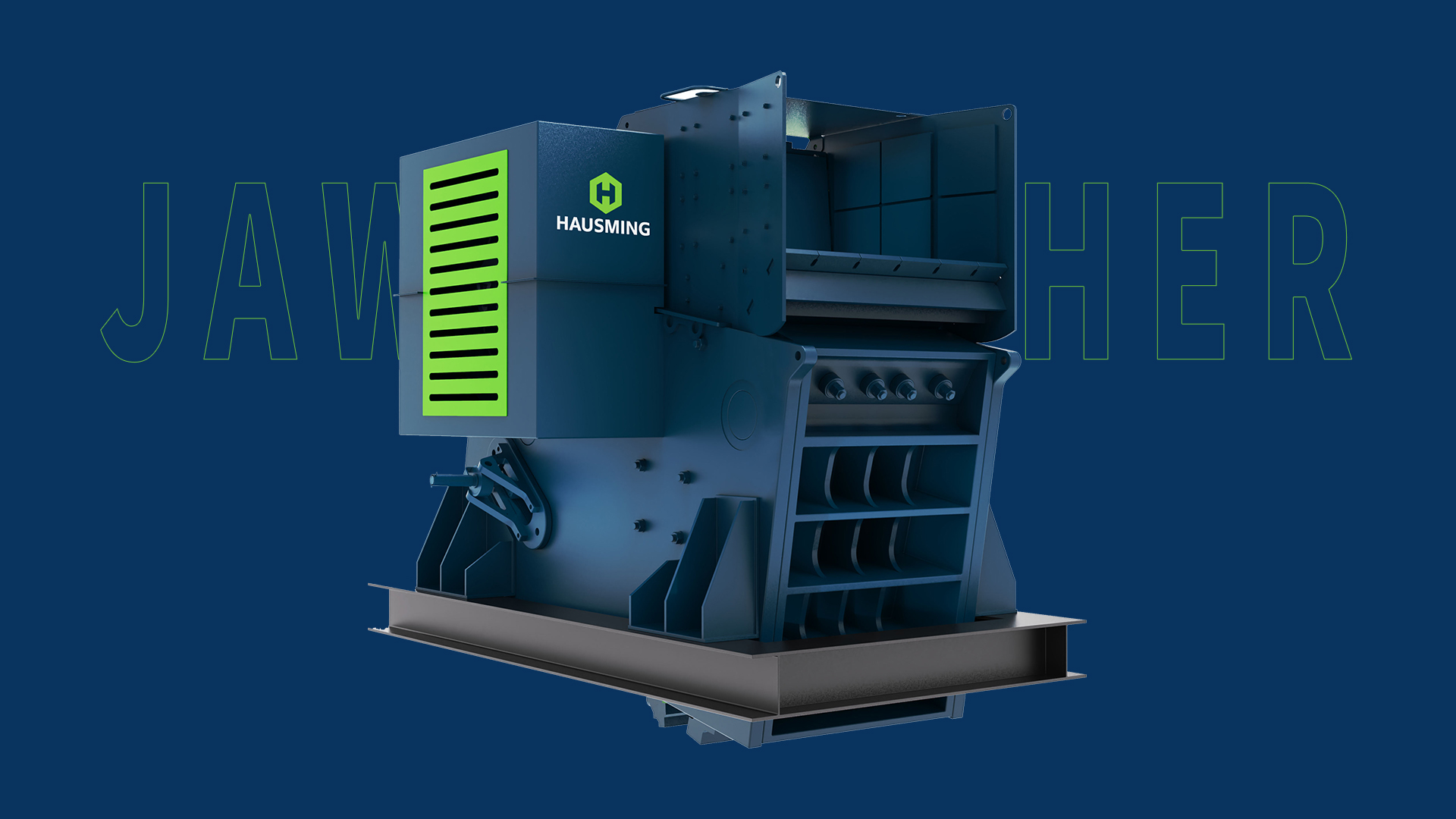
As the core primary crushing equipment in mining production lines, the jaw crusher is widely utilized in fields such as mining extraction and construction aggregate processing, thanks to its simple structure, strong impact resistance, and adaptability to various types of hard rock materials. However, operating in environments characterized by long-term, high-load, and high-wear conditions makes the equipment susceptible to malfunctions such as abnormal noises, vibrations, overheating, and jamming. If not addressed promptly, these issues not only compromise production efficiency but may also accelerate component wear and drive up maintenance costs. Drawing upon years of experience in the operation and maintenance of mining equipment, this article—presented by HAUSMING—addresses the most frequent malfunctions encountered in jaw crushers, offering professional and practical troubleshooting guides and solutions to help enterprises ensure the stable operation of their production lines.

Bearing overheating is one of the most common malfunctions in jaw crushers; as the “transmission heart” of the equipment, abnormal bearing temperatures pose a direct threat to its proper functioning. Symptoms of this failure include a bearing housing that is hot to the touch, often accompanied by a burning odor; in severe cases, this can lead to bearing seizure and subsequent equipment shutdown. Troubleshooting reveals that the root cause typically lies within the lubrication system—specifically, insufficient lubricant volume, the use of an incorrect lubricant grade, or lubricant degradation (oxidation and contamination). Additionally, seal failures that allow dust ingress can cause abrasive damage, while prolonged operation under excessive loads can also exacerbate bearing heat generation. The recommended solution involves immediately shutting down the machine to allow it to cool; disassembling the bearing housing to remove debris; replacing the lubricant with a specialized grease that meets the equipment’s specifications; and inspecting and replacing any damaged seals. Furthermore, it is essential to establish a standardized lubrication maintenance regimen—including the periodic replenishment and replacement of lubricants—to ensure adequate bearing lubrication and to keep operating temperatures controlled within 70°C.

Excessive body vibration and abnormal noises serve as clear warning signs of underlying equipment hazards. If the entire machine begins to shake violently during operation, or if metallic clanging sounds emanate from within the crushing chamber, the equipment must be shut down immediately for inspection. Vibrations are frequently caused by loose anchor bolts, an unbalanced flywheel hub, or damage to the moving jaw’s main shaft; conversely, abnormal noises may be triggered by loose fasteners, a displaced jaw plate, or the accidental entry of foreign metal objects into the crushing chamber. When addressing issues, first securely tighten the anchor bolts and all equipment fasteners. Clear any foreign objects from the crushing chamber, and inspect and correct the flywheel’s concentricity. If core components—such as the movable jaw’s main shaft or the toggle plate—show signs of wear or damage, they must be promptly repaired or replaced to prevent the fault from escalating.

“Stalling”—the sudden cessation of equipment operation during a run—is an abrupt failure that disrupts production continuity. It is primarily caused by discharge port blockages, belt slippage, or unstable voltage. To resolve this, the power supply must first be cut off. Clear any accumulated material from the crushing chamber, check the belt tension (tightening or replacing belts that are aged or worn), and troubleshoot the electrical system to ensure voltage stability. During daily operations, it is essential to control the feed size and moisture content to prevent wet materials from adhering and clogging the chamber. Additionally, installing iron-removal devices prevents metal foreign objects from entering the machine, thereby mitigating the risk of stalling at the source.

Furthermore, an increase in discharge particle size and a decline in output are frequently encountered issues, often resulting from worn jaw plates or deviations in the discharge port gap. Worn jaw plates can often be inverted and reused; however, if wear exceeds permissible limits, they must be replaced immediately. The “three-point measurement method” should be employed to calibrate the discharge port gap, ensuring it meets production specifications.

The stable operation of a jaw crusher relies heavily on standardized operating procedures and regular maintenance. During daily shifts, operators must conduct routine inspections—listening for unusual sounds, visually observing the equipment, and physically checking for heat or vibration—to promptly detect early signs of malfunction. By regularly performing minor, intermediate, and major repairs—including the replacement of wear parts—faults can be nipped in the bud, the equipment’s service life can be extended, and the efficient and safe operation of the mining crushing production line can be guaranteed.

← 返回

感谢您的回复。 ✨

评级(必填)

The core function of the eccentric copper sleeve in a cone crusher

Author:Klaus Richter

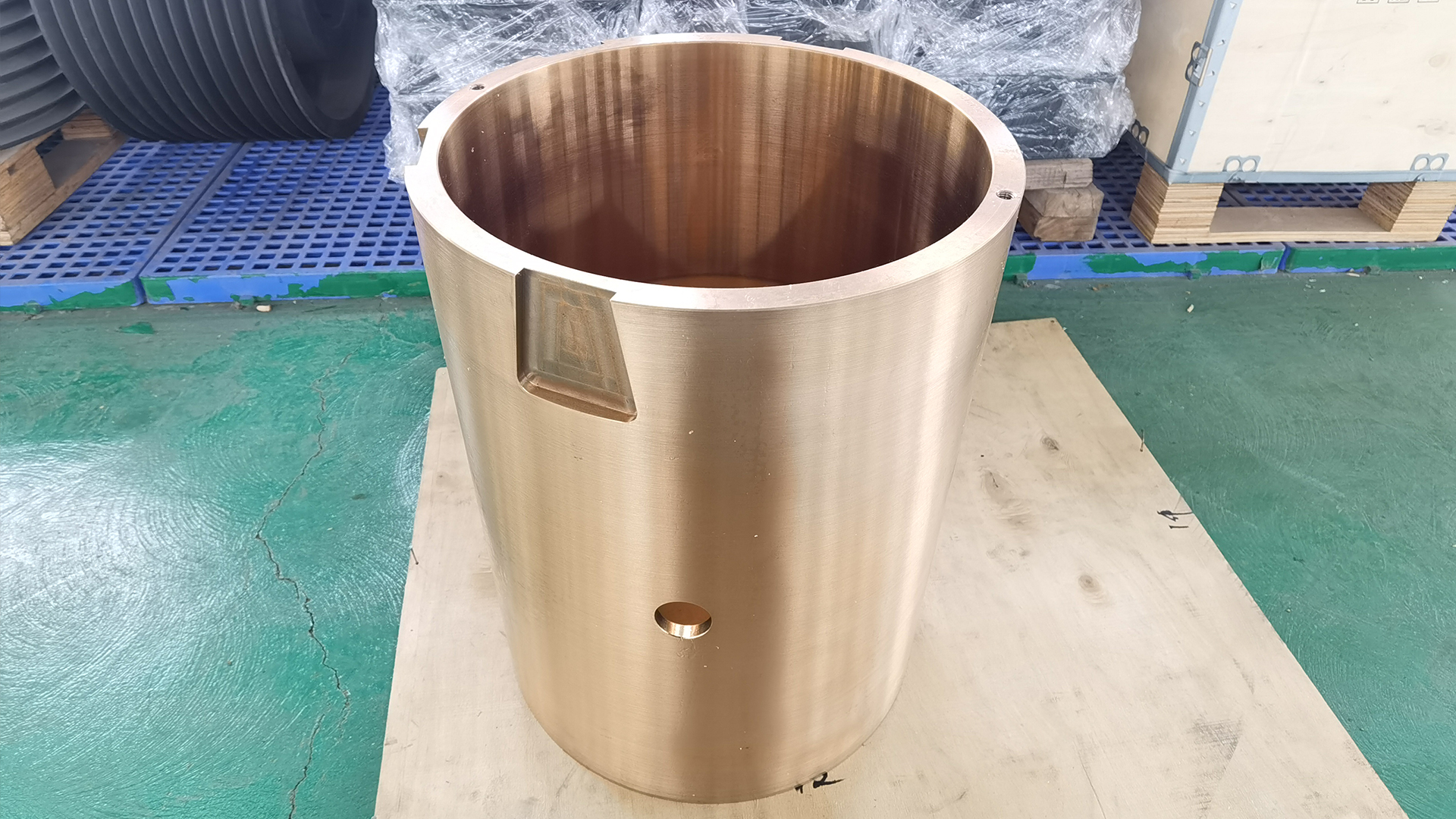
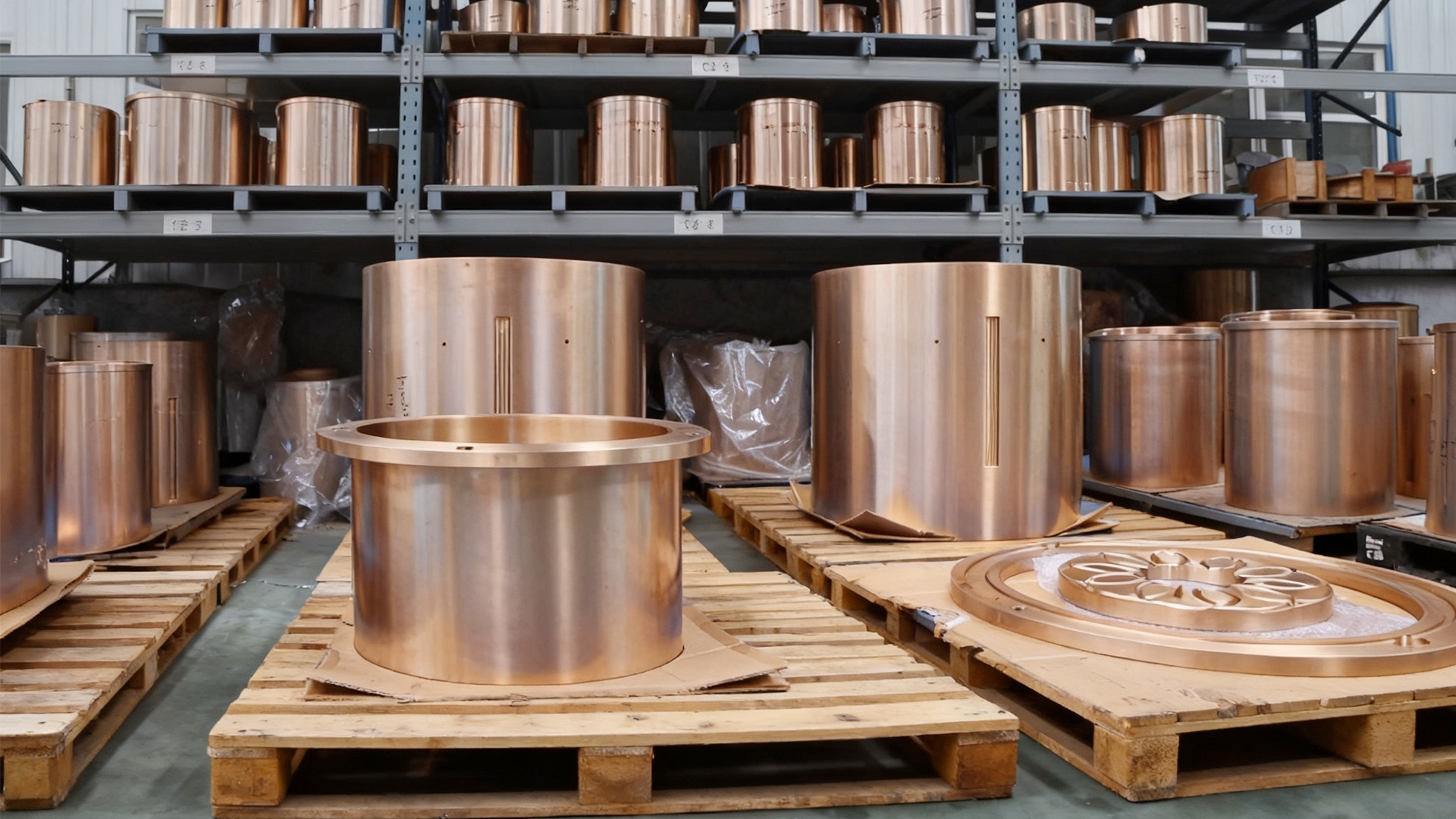
Cone crushers are indispensable medium and fine crushing equipment in industries such as mining, metallurgy, and building materials. Their efficient and stable operation relies on the coordinated operation of numerous precision components. Among these core components, the eccentric copper bushing plays an irreplaceable key role. Meanwhile, the continuous rise in copper prices in recent years is profoundly impacting the cost system of the manufacturing industry, including crusher parts.

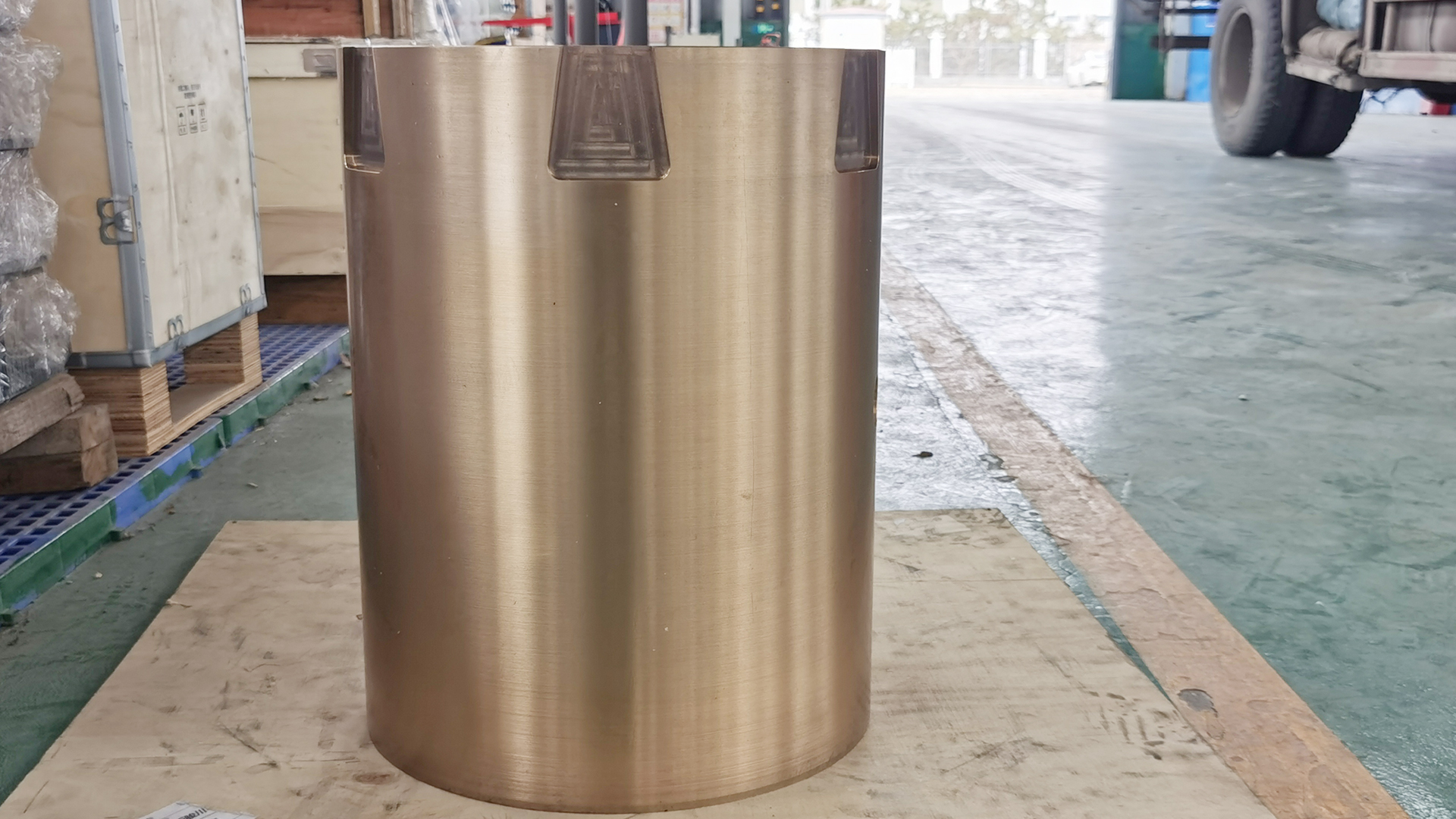
The basic working principle of a cone crusher is as follows: the motor drives a small gear via a pulley, the small gear drives a large gear assembly to rotate, and the large gear in turn drives the eccentric sleeve assembly. In this power transmission chain, the eccentric copper sleeve and the eccentric cylinder liner together constitute the eccentric sleeve assembly. The eccentric copper sleeve is fixed inside the eccentric sleeve by an interference fit, playing a pivotal role in connecting the upper and lower parts of the assembly.

The core technological value of the eccentric copper sleeve lies in its unique “eccentric” structure—the center of the inner hole of the copper sleeve has a preset offset from the center of the outer circle. This design ensures that when the eccentric sleeve assembly rotates, the main shaft assembly (including the main shaft, inner cone, and inner cone liner) inserted into the copper sleeve does not rotate around its own centerline, but rather revolves around a theoretical vertical line. This combined revolution and rotation creates a complex gyratory trajectory for the inner cone within the crushing chamber: as the surface of the inner cone gradually approaches the fixed cone (jaw wall), the material is crushed; as the distance between them gradually increases, the crushed material is discharged by gravity. The eccentricity of the eccentric copper sleeve directly determines the oscillation stroke of the moving cone, which in turn affects the crusher’s processing capacity and discharge particle size.

Cone crushers withstand enormous impact loads during operation, and the eccentric copper bushing is essentially a heavy-duty sliding bearing. Its inner surface mates with the outer surface of the main shaft, while its outer surface mates with the inner hole of the eccentric bushing. During relative motion, it bears significant radial and frictional forces.

Copper alloys possess excellent self-lubricating and anti-galling properties, maintaining a relatively stable coefficient of friction even under boundary lubrication or insufficient oil conditions. Under normal operating conditions, the copper bushing and the main shaft rely on a lubricating oil film for liquid or mixed lubrication. However, if lubrication fails or the fit clearance is improper, the surface of the copper bushing can sag due to high temperatures. In severe cases, this can even lead to a “shaft seizure” and bushing burnout accident—the copper bushing and the main shaft are “welded” together instantaneously, causing severe equipment vibration or even shutdown.

Therefore, the design and manufacturing precision of the eccentric copper bushing are crucial. The inner diameter tolerance must be controlled within ±0.02mm, and the fit clearances between the copper bushing and the main shaft, and between the copper bushing and the eccentric sleeve, must be rigorously calculated. Based on practical experience, when the copper bushing temperature rises to 50℃, a 0.31mm expansion of the outer diameter significantly affects the fit clearance, necessitating sufficient thermal expansion space during assembly.

The eccentric copper bushing is designed as a wear part; this is not a design flaw, but rather a sophisticated protective logic. When the crusher encounters uncrushable objects (such as metal blocks), the overload impact first acts on the copper bushing. Local deformation or wear of the copper bushing can absorb some of the impact energy, preventing damage to expensive and difficult-to-replace core components such as the main shaft and eccentric sleeve. The single-cylinder hydraulic cone crusher is also equipped with a hydraulic overload protection system. When uncrushable objects fall in, the moving cone can be lifted by the bottom hydraulic piston, serving as a discharge port adjustment and overload protection mechanism. In this process, the copper bushing acts as the first line of defense.

Regularly inspecting and replacing eccentric copper bushings is a crucial part of crusher maintenance. Well-managed mining companies will develop a scientific replacement cycle for copper bushings based on factors such as the nature of the material being crushed and the equipment’s operating time, thus balancing equipment uptime and maintenance costs.

← 返回

感谢您的回复。 ✨

评级(必填)

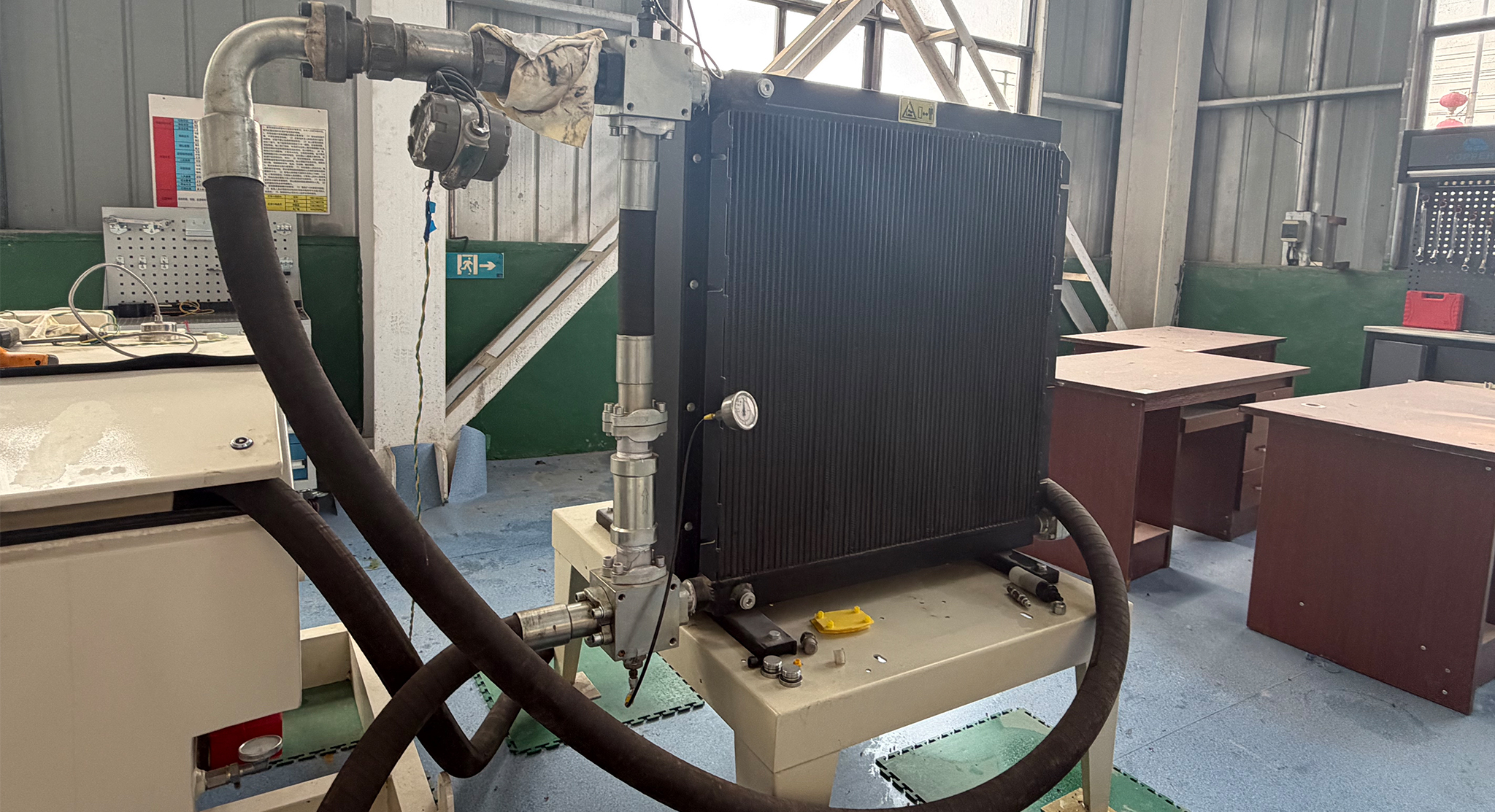
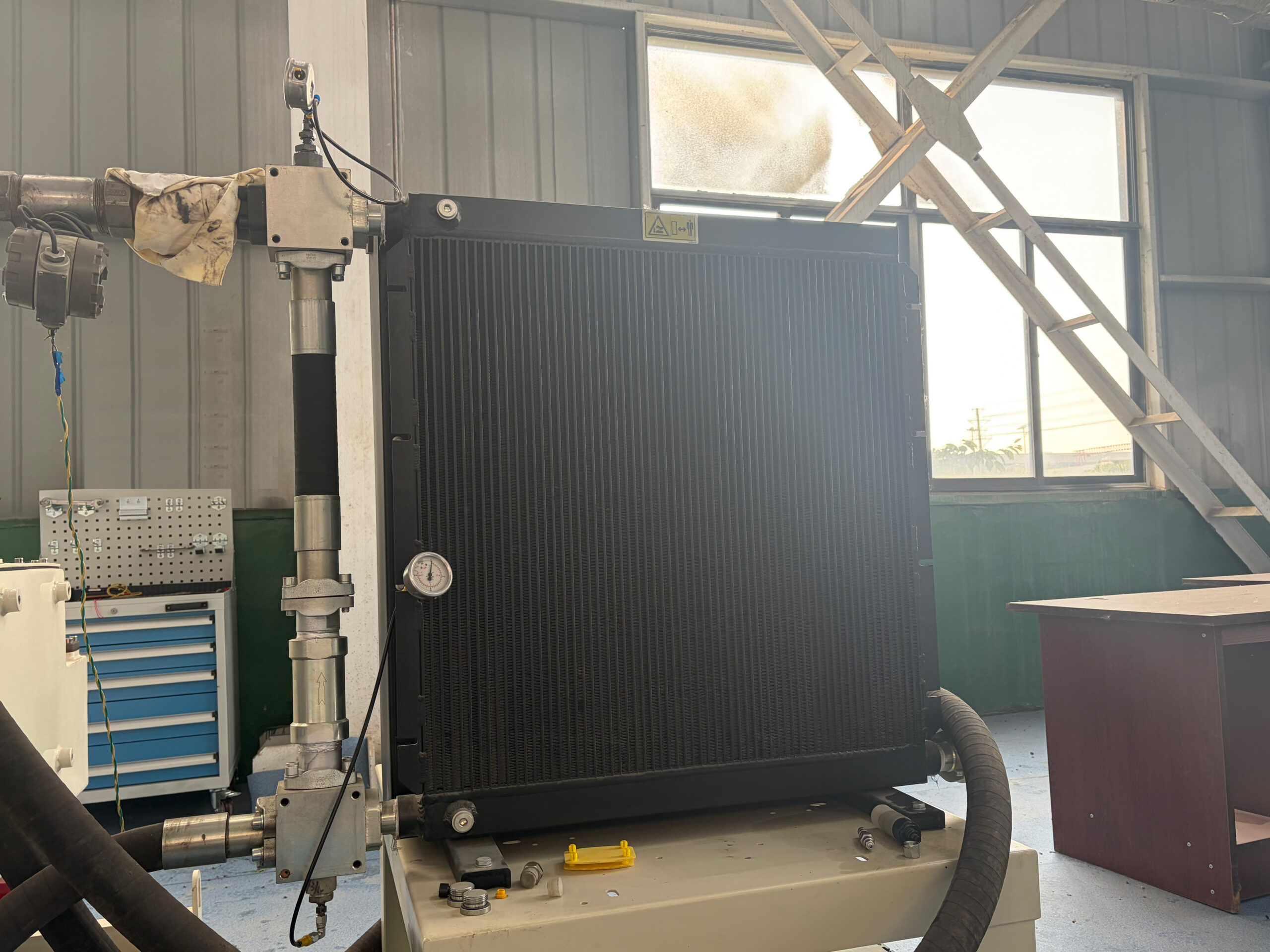
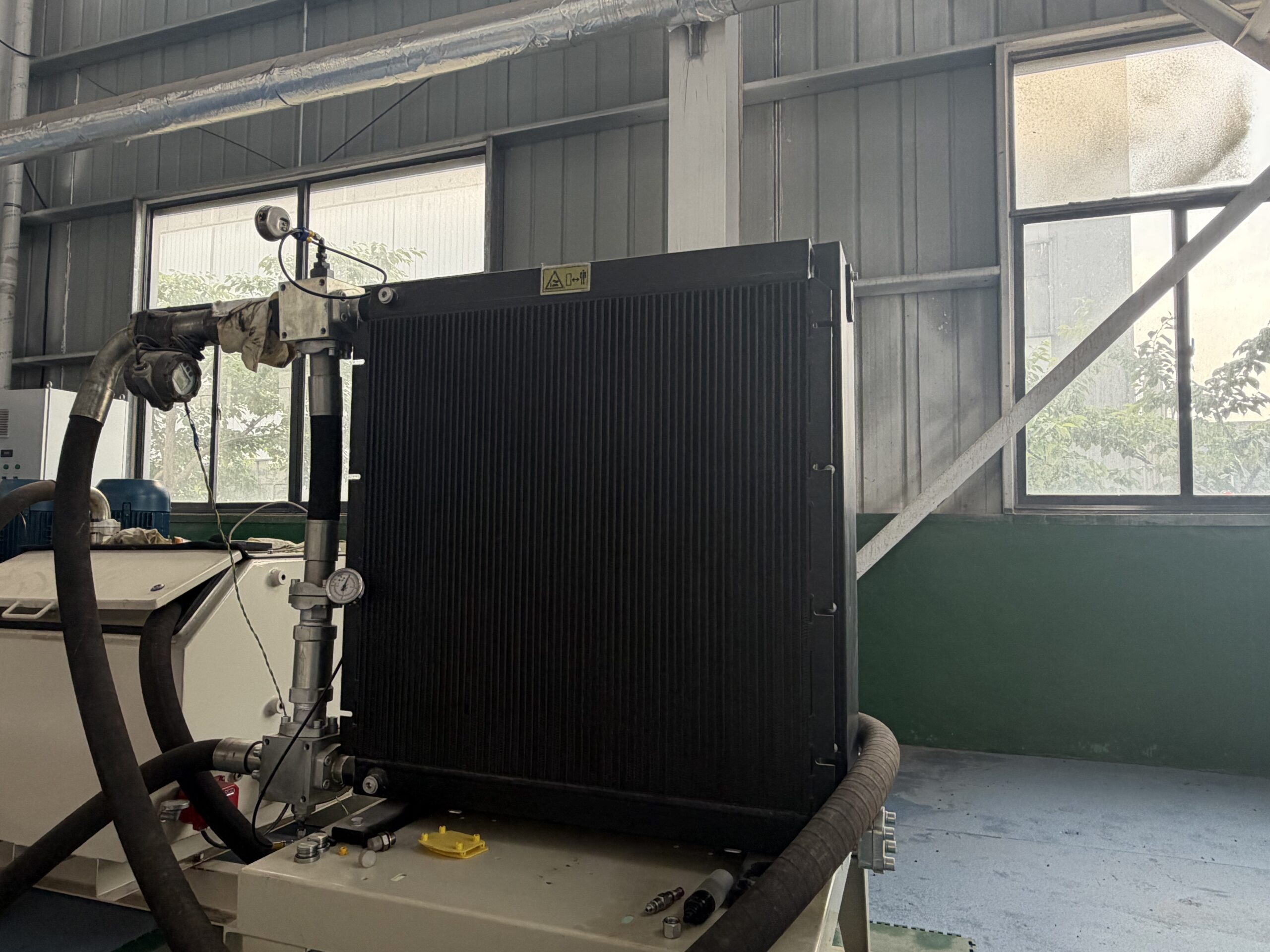
The “Cooling Guardian” for Stable Crusher Operation: The Critical Role of Radiators—and How to Choose the Best Quality!

Author:Michael Fischer

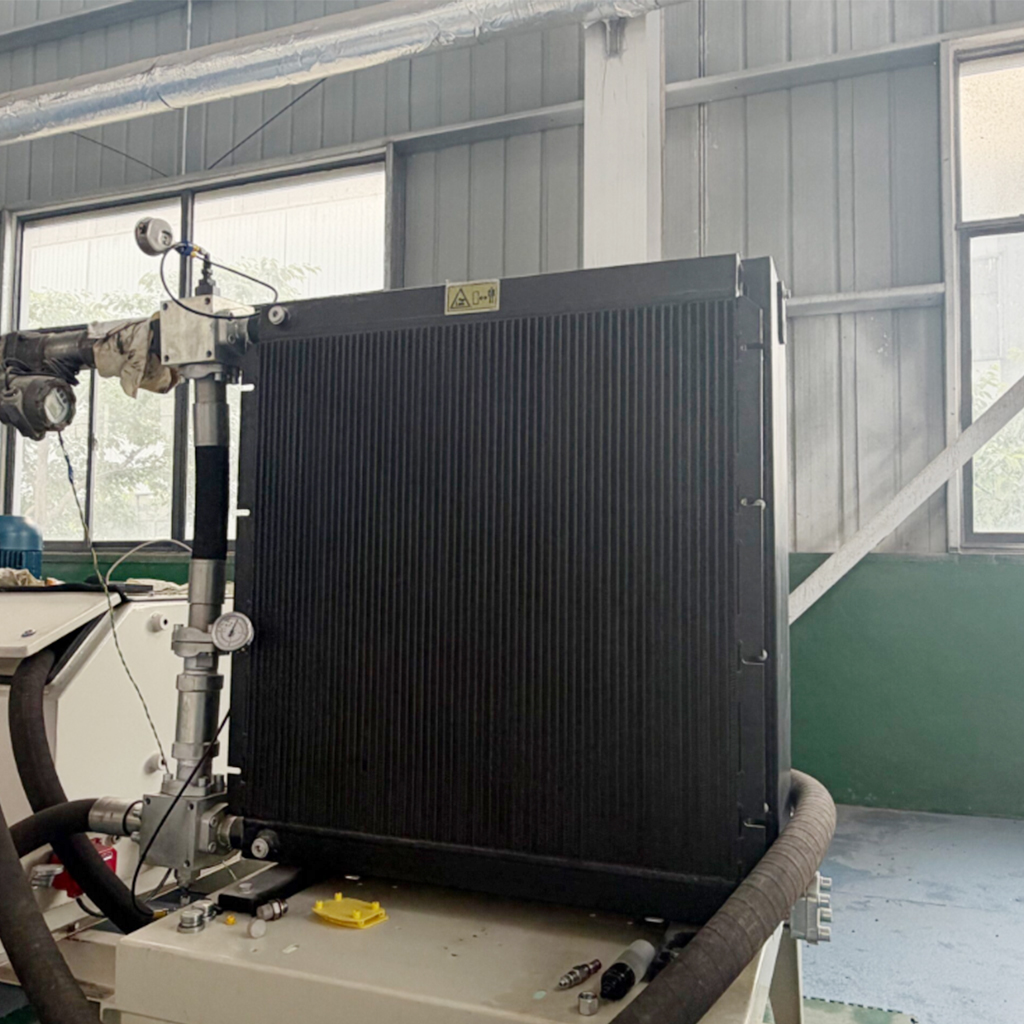
In environments such as mines and aggregate processing plants, crushers serve as core equipment; they operate year-round under conditions of high load and intense friction. If the substantial heat generated during this process is not dissipated in a timely manner, it becomes a “silent killer” that leads to equipment failure. Radiators act as the “cooling guardians” that safeguard the crusher’s smooth operation; their quality directly determines the equipment’s service life and production efficiency. Choosing a reliable, high-quality radiator is, therefore, an essential step in ensuring the safety and continuity of a company’s production operations.

The role of the radiator in a crusher is far more critical than one might imagine. During operation, internal components—such as the motor, hydraulic system, and lubricating oil—continuously generate heat. The lubricating oil, in particular, acts as the “blood” of the equipment; if its temperature rises too high, its viscosity drops and the protective oil film thins out, accelerating component wear and potentially triggering equipment alarms or emergency shutdowns. A high-quality radiator rapidly extracts this heat, keeping all components operating within a safe temperature range. This prevents component aging and downtime caused by overheating, while simultaneously reducing water wastage and lowering operational costs for the enterprise. It functions as the crusher’s “cooling lung,” constantly regulating the equipment’s temperature to ensure that production proceeds continuously and efficiently.

Selecting a radiator with guaranteed quality is the fundamental prerequisite for ensuring the stable operation of a crusher. Substandard radiators suffer from low heat dissipation efficiency and fragile materials; not only do they fail to cool effectively, but they may also trigger secondary failures—such as corrosion or leaks—that lead to further complications. In minor cases, this results in frequent equipment downtime and delays in production schedules; in severe cases, it can damage core components—such as the motor or hydraulic system—incurring exorbitant repair costs and even drastically shortening the equipment’s overall service life. Conversely, high-quality radiators undergo rigorous testing to ensure stable thermal performance. Capable of withstanding the crusher’s demanding operating conditions, they effectively extend the equipment’s service life and reduce the frequency of repairs. In the long run, this saves the enterprise significant labor and material costs, thereby maximizing production efficiency and profitability.

As a specialized enterprise dedicated to the mining equipment sector, HAUSMING fully recognizes the critical importance of high-quality radiators for crushers, as well as the urgent need for enterprises to ensure the stable operation of their equipment. To this end, we provide comprehensive, end-to-end support services, enabling our clients to operate with complete peace of mind. In terms of product quality, the crusher radiators supplied by HAUSMING are manufactured using materials that meet rigorous EU standards. Our product range covers a wide variety of compatible models, designed to fit seamlessly with various types of crushers—including single-cylinder cone, multi-cylinder cone, and jaw crushers. These radiators achieve a perfect match with the equipment, delivering heat dissipation efficiency that meets strict industrial-grade requirements. By eliminating the risks associated with substandard products at the source, we establish a robust defense line for equipment thermal management.

Regarding after-sales support, HAUSMING is backed by a professional team with over seven years of hands-on technical service experience in mining environments. Adhering to a service philosophy characterized by speed, decisiveness, precision, thoughtfulness, and thoroughness, we provide comprehensive technical support and after-sales maintenance services. Whether the need involves installation guidance, routine maintenance advice, or troubleshooting and repairs, we respond swiftly to resolve issues in a timely manner, thereby minimizing losses caused by equipment downtime. Furthermore, leveraging our sophisticated spare parts supply network, we ensure an ample stock of radiator-related components; this guarantees that maintenance and replacement procedures are efficient and convenient, preventing any delays in production schedules.

Additionally, HAUSMING offers customized thermal management solutions tailored to the specific production requirements of each enterprise. These solutions can be integrated with crusher technical modification services to optimize the equipment’s cooling system, thereby further enhancing operational stability and efficiency. Ultimately, we empower businesses to maximize resource utilization and achieve significant improvements in overall operational profitability.

← 返回

感谢您的回复。 ✨

评级(必填)

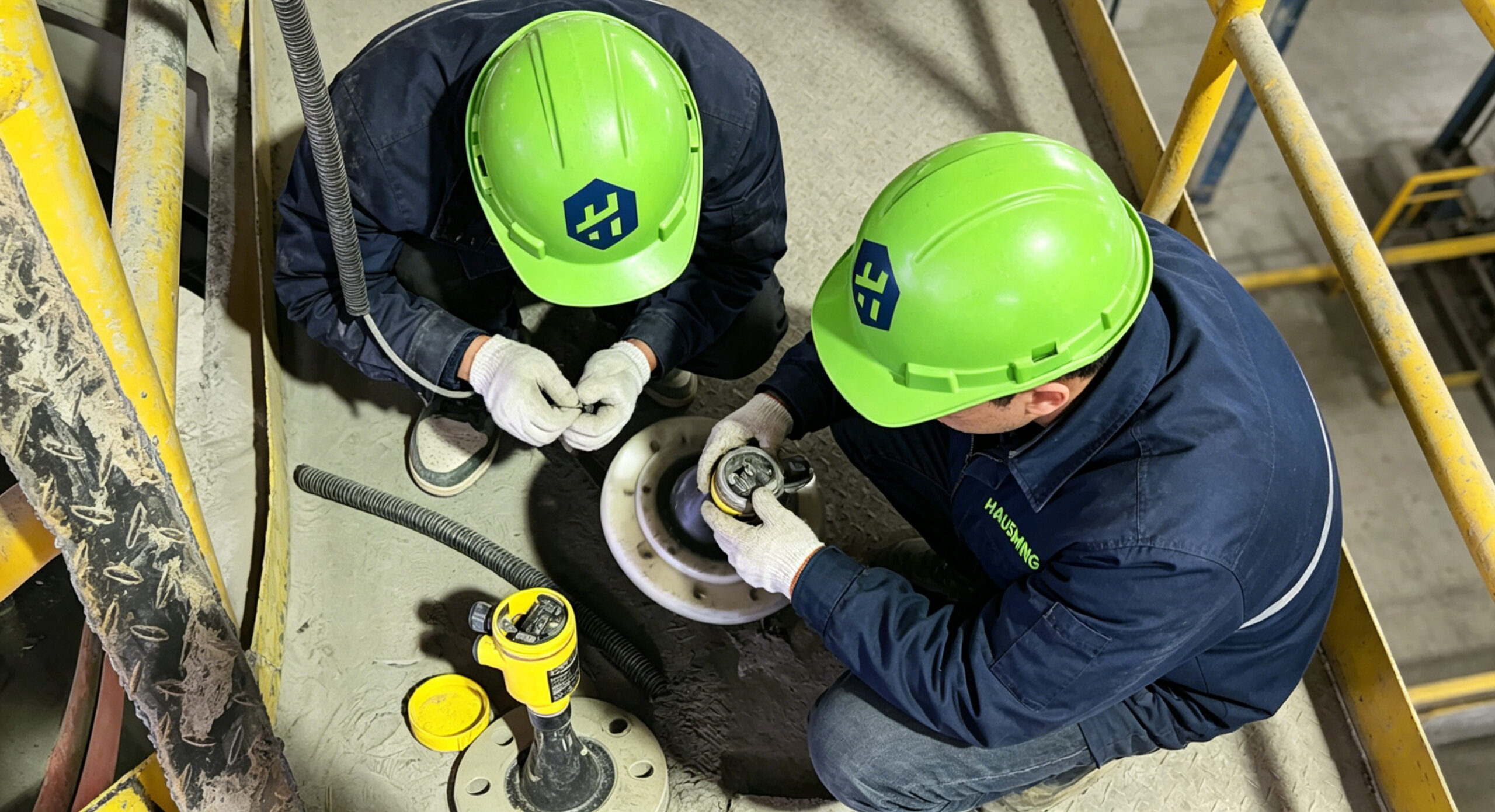
Equipping silos with “eyes”: An analysis of the application of level gauges in the mining and crushing field.

Author:Thomas Müller

In a mining crushing production line, monitoring the material level in the silos and crushers is a seemingly simple yet crucial step. Proper material level control ensures a smooth and efficient production line; errors can lead to equipment “stockpiling” and shutdowns, or even damage to the crushing equipment and disrupt the entire plant’s production rhythm.

So, what role do level gauges play in the mining crushing field?

How do we choose the appropriate material level monitoring solution when facing harsh conditions such as high dust levels, large materials, and strong vibrations? This article will provide a detailed analysis.

I. Why are level gauges needed in mining crushing?

The core purpose of material level monitoring in the mining crushing process is to achieve “full feed”—that is, to maintain a suitable material level in the crushing chamber of the crusher. This sounds simple, but it’s not easy to do.

In the past, many mines used manual observation or open-loop control methods, with operators in the control room manually adjusting the feeder frequency based on experience. This method has significant drawbacks:

Efficiency loss: Operators cannot adjust the feed rate in time, the crusher cannot maintain a full feed state, resulting in low hourly efficiency and wasted energy.

Equipment Wear and Tear: Idle operation or unstable material levels in the crusher can cause vertical vibration, leading to damage to hydraulic cylinders, loosening of anchor bolts, and damage to copper bearing sleeves, thus shortening equipment lifespan.

Safety Accidents: Taking a coarse crusher as an example, operators cannot directly observe the material level in the lower hopper. Even slight negligence can cause ore accumulation accidents. Once ore accumulates in the hopper, handling it is extremely difficult and severely impacts production.

Therefore, the mining industry has gradually recognized that equipping hoppers and crushers with reliable “eyes” is a necessary condition for achieving automated and intelligent production.

II. Comparison of Mainstream Level Gauge Technologies: Which is More Suitable for Mines?

Mining environments are characterized by high dust levels, large particle sizes, and strong vibrations, making not all level gauges suitable. The following is a comparison of the performance of several common technologies in mining crushing scenarios:

  1. Radar Level Gauge (Non-Contact)

Working Principle: Emits frequency-modulated continuous wave (FMCW) microwave signals and calculates distance by measuring the frequency difference between the emitted and reflected waves.

Applicable Scenarios: Mine level measurement, crusher level measurement, and level monitoring in various silos.

Advantages:
① Strong dust penetration capability; high-frequency radar (e.g., 80GHz) beam focusing, less susceptible to dust interference.

② Unaffected by material repose angle, high reliability.

③ Non-contact, wear-free, and low maintenance cost.

④ High measurement accuracy (millimeter level) and large measuring range (over 100 meters).

Limitations: Higher cost and relatively complex installation and commissioning.

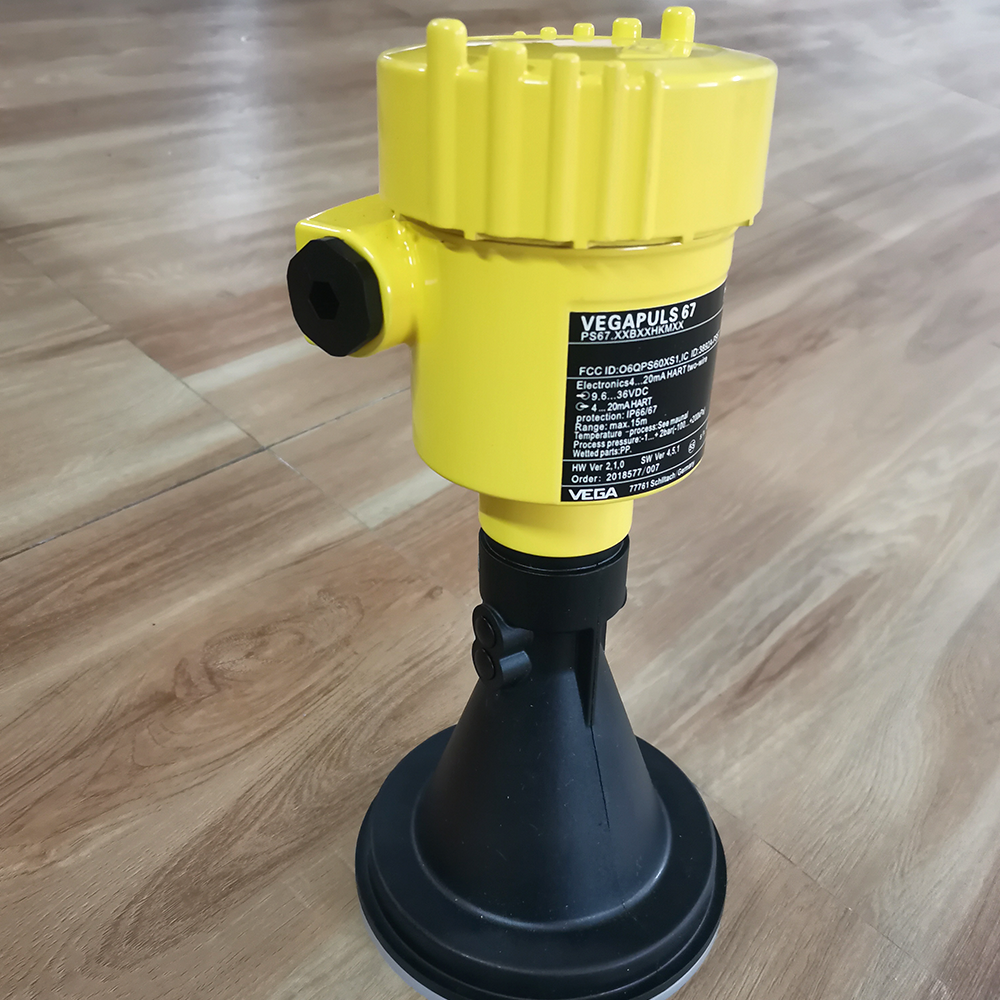
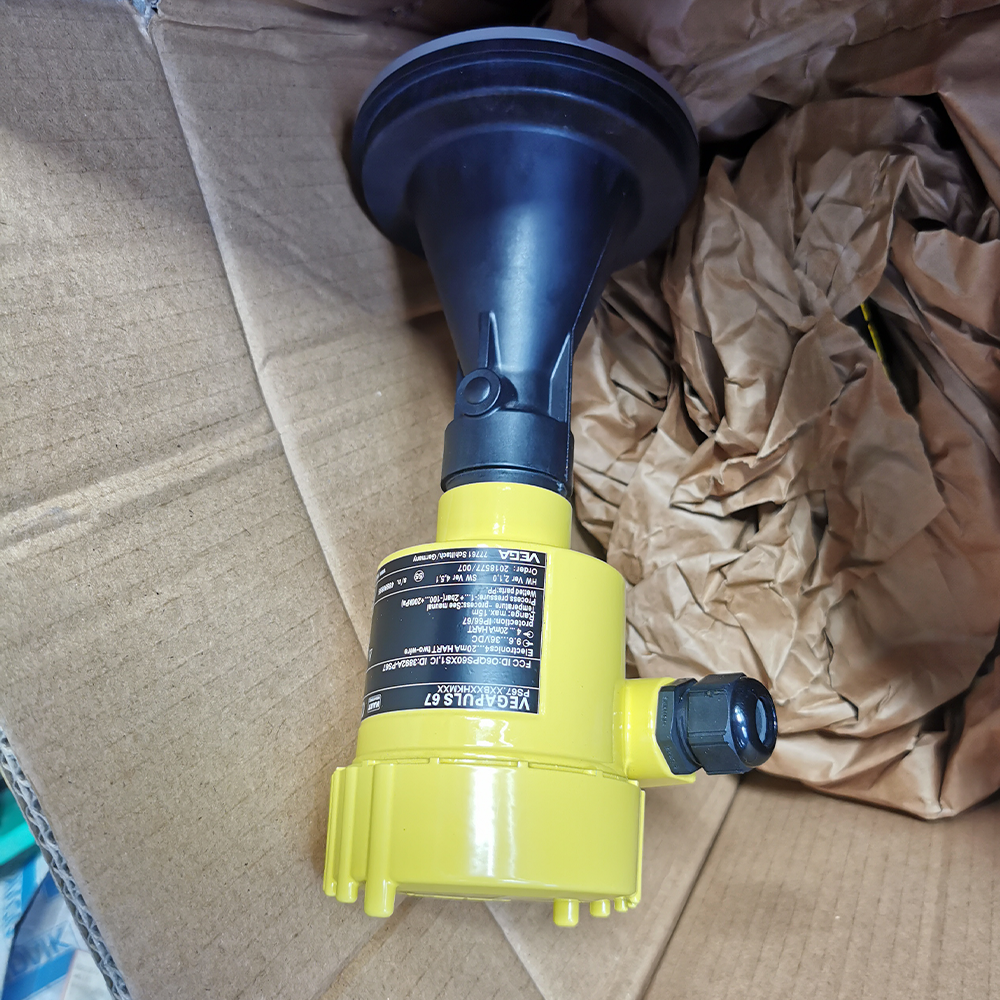
Application Case: In a limestone quarry, the VEGAPULS 67 radar level gauge was installed on a crusher, successfully solving the measurement challenges in low-reflectivity media and dusty environments.

  1. Rotary Paddle Level Gauge (Contact Type)
    Working Principle: Driven by a motor, the blades rotate. When material obstructs the blade rotation, a limit signal is triggered.

Applicable Scenarios: Feed hopper blockage detection, high-level alarm in silos.

Advantages:

① Simple structure, low cost

② Sensitive action, reliable alarm

③ Particularly suitable for detecting blockages in lumpy materials

  1. Laser Level Gauge
    Working Principle: Emits laser pulses and measures the reflection time difference to calculate distance (Time-of-Flight method).

Applicable Scenarios: Large ore stockpiles, high-precision inventory management.

Advantages: Extremely high accuracy (millimeter level), long measurement distance (up to 500 meters), narrow beam, less susceptible to interference.

Limitations: Laser signal is easily attenuated and scattered by high concentrations of dust; higher cost.

  1. Ultrasonic Level Gauge
    Working Principle: Emits ultrasonic pulses and measures the echo time difference.

Advantages: Mature technology, low cost.

Limitations: Weak signal, greatly affected by dust, temperature, and pressure changes; poor reliability in dusty mining environments. Not recommended for high-dust mining crushing scenarios.

III. Selection Recommendations: How to select for different locations in the crushing process? Based on technical characteristics and actual working conditions, here are the selection recommendations for each stage of the crushing production line:

Application Location | Recommended Solution | Key Considerations

Coarse Crusher Lower Hopper | Radar Level Gauge | Large measurement range, strong dust penetration ability

Medium/Fine Crusher Crushing Chamber | Radar Level Gauge + Rotary Paddle Type (Backup) | Real-time monitoring of material level in the crushing chamber, achieving full feeding

Feeding Hopper/Clubbing | Rotary Paddle Type Level Gauge | Detects blockages, achieving interlock control

Buffer Ore Bin/Finished Product Silo | Radar Level Gauge | Non-contact, maintenance-free, continuous and reliable measurement

Vibrating Screen Discharge Hopper | Rotary Paddle Type or Radar (depending on working conditions) | Rotary paddle type can be used for high-level alarm when space is limited

IV. Installation Points: Avoid These Pitfalls

Selecting the right equipment is only the first step; improper installation can also lead to measurement failure. The following are key considerations during installation:

  1. Avoid the feed inlet and the main impact zone of the material.

Under vertical discharge conditions (such as chute discharge), the material has a huge impact force on the probe, which can easily cause the probe to bend or be damaged.

Solution: 1. Nest-style installation: The level switch is installed in a side recess, allowing the probe to avoid the main impact path of the material. The critical dimension ‘a’ must be greater than the probe insertion depth to ensure effective protection.

  1. High-frequency radar preferred for high-dust environments: In high-dust areas such as inside crushers, ordinary radar signals may suffer severe attenuation. 80GHz high-frequency radar has a more concentrated beam and stronger dust penetration, making it the preferred choice for such conditions.
  2. Inclined installation to prevent material buildup: For horizontally installed probes (such as rotary paddle or tuning fork types), a 20° tilt is recommended to prevent material buildup on the probe and avoid malfunctions.
  3. Signal integration with control system for interlocking: The value of level gauges lies not only in “seeing” but also in “controlling.” The level signal should be integrated into a PLC or DCS system to achieve automatic interlocking control with the feeding equipment, truly realizing automated production with “full feed.”

The application of level gauges in the mining crushing field has evolved from an early “auxiliary tool” to a “core control element.” It is not only the “eyes” of the silo, but also the nerve endings that enable automated and intelligent production.

By selecting appropriate level gauge technology (high-frequency radar is the preferred choice for harsh mining conditions) and using the correct installation method to connect the signal to the automatic control system, mining companies can significantly improve crushing efficiency, reduce equipment failure rates, and minimize manual intervention costs.

发表回复

您的邮箱地址不会被公开。 必填项已用 * 标注

← 返回

感谢您的回复。 ✨

评级(必填)

The high electricity bills of a crushing production line are not due to the motor!

Author:Stefan Becker

Many mine owners complain that despite running their equipment at full capacity and not significantly increasing output, their electricity bills exceed their limits every month. Everyone assumes it’s due to the motor’s high power consumption or expensive fuel, but few realize that the root cause of the high electricity bills often lies not in the power source, but in “unnecessary losses.”

A normally operating crushing production line should have stable and controllable electricity costs. However, in reality, material blockages, stalling, idling, improper clearances, excessive wear on wear parts, poor lubrication, belt slippage… every small problem is secretly consuming electricity.

To give a very intuitive example: Severe wear of the jaw plates/liners reduces the biting capacity, requiring repeated crushing, causing the current to surge by 20%–40%. For the same output, power consumption increases dramatically. Improper gap adjustment leads to poor discharge and material circulation, causing the equipment to operate under high load for extended periods, consuming tens of kilowatt-hours more per hour. Lubrication failure and increased bearing resistance force the motor to be overloaded, resulting in artificially high power consumption without improving efficiency. Even slight belt slippage can reduce output and increase power consumption; the lower the output, the higher the unit electricity cost.

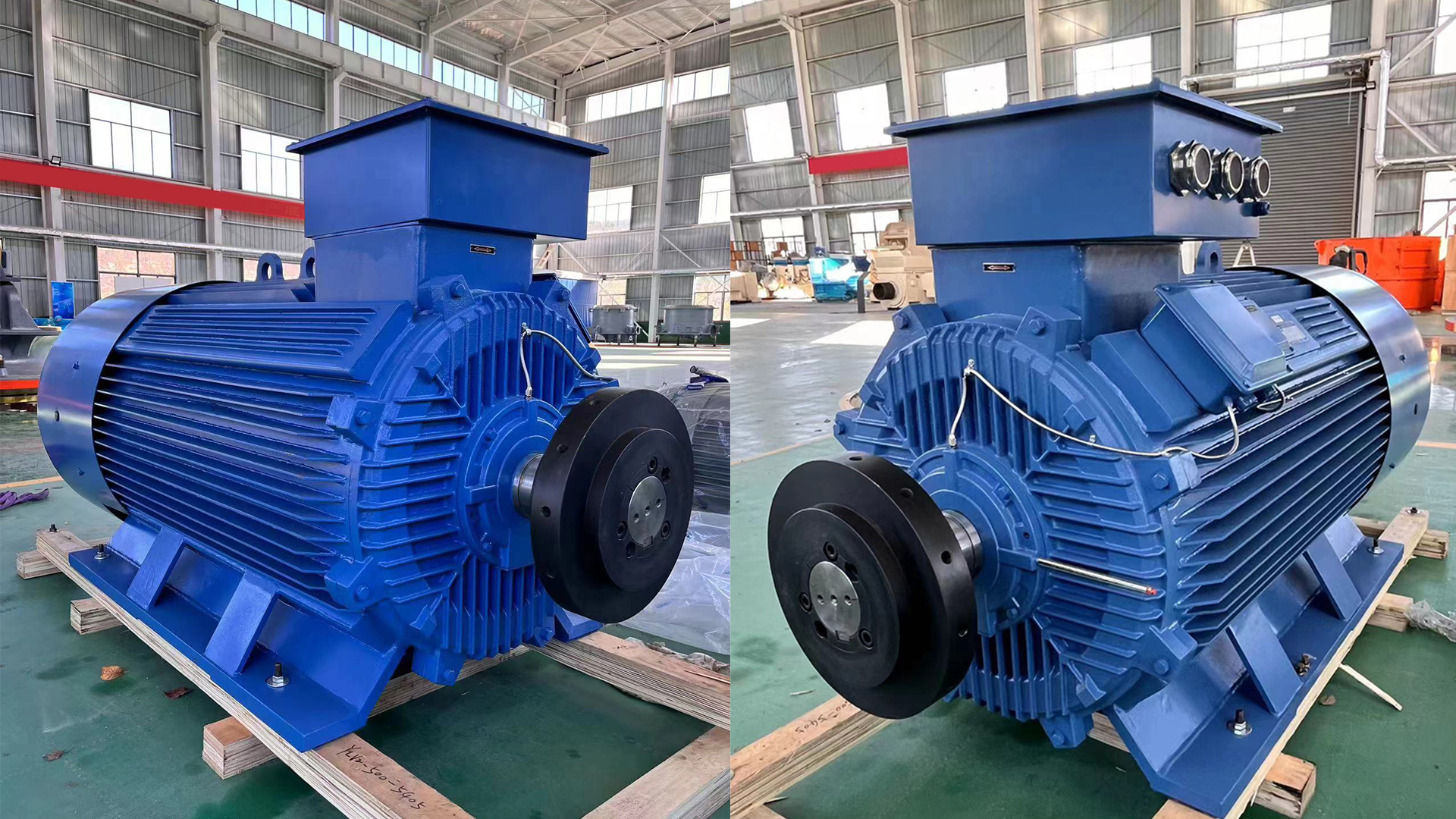
The real way to save on electricity costs isn’t to reduce machine usage, but to operate equipment with “light load and high efficiency”: Replace wear-resistant parts promptly to maintain optimal crushing performance; regularly adjust clearances, tighten belts, and ensure stable feeding to avoid unnecessary work; maintain bearings and hydraulic systems properly to reduce operating resistance; and stock up on vulnerable parts in advance to avoid operating with defects and high consumption with low efficiency. Many customers have found that spending a few thousand yuan more each month on maintenance and stocking up can actually save tens of thousands of yuan in electricity costs, while increasing output by 10%–20%. This is far more cost-effective than simply “saving electricity.”

Hausming focuses on optimizing crushing production lines, providing one-stop service from equipment debugging, wear-resistant part selection, and clearance adjustment to daily operation and maintenance, helping you reduce electricity consumption and increase capacity. Minimizing unnecessary electricity costs and maximizing stable profits is the key to efficient mine operation!