
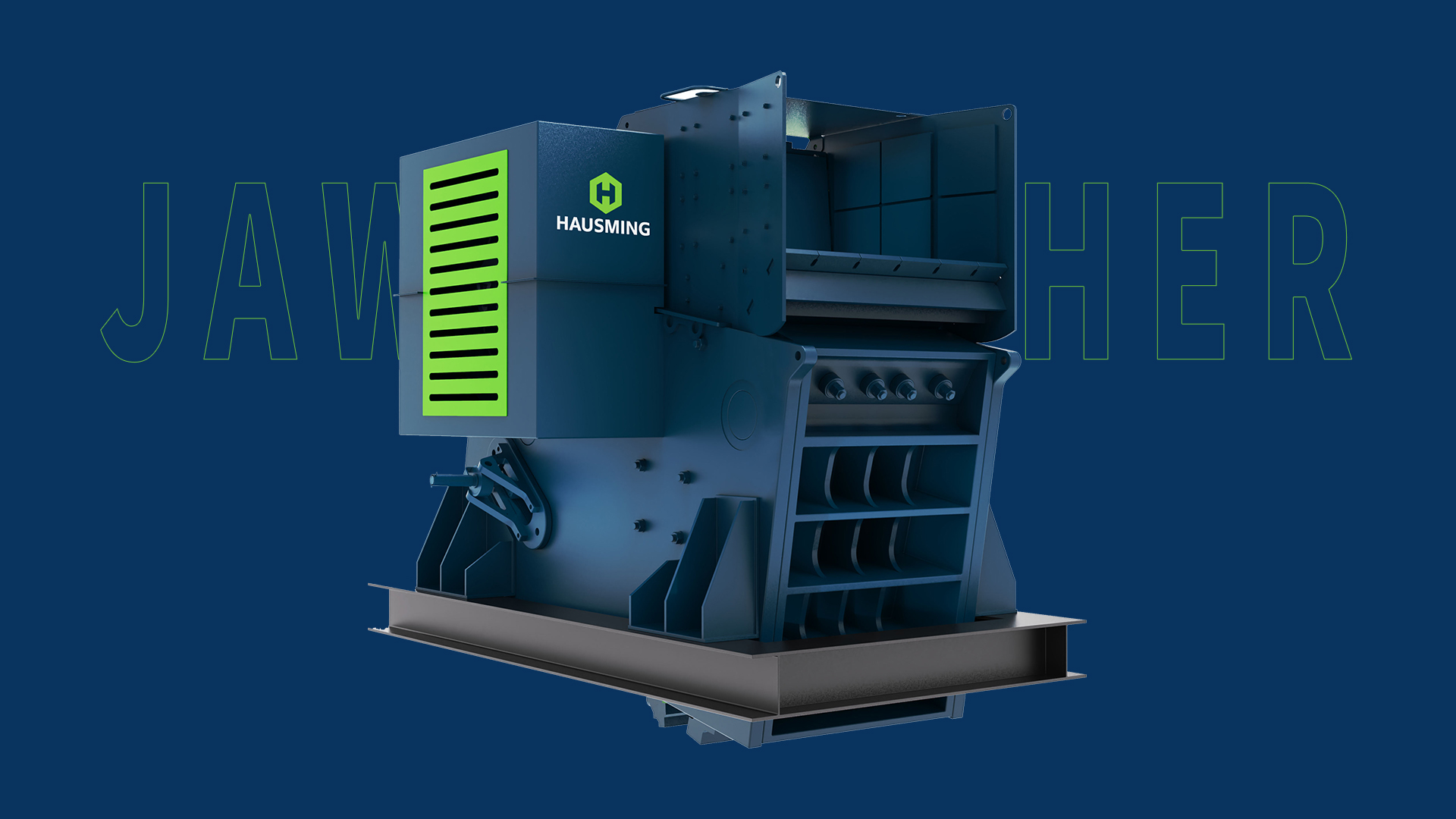

Troubleshooting High-Frequency Faults in Mining Jaw Crushers: Professional Practical Solutions
Author:Klaus Richter
As the core primary crushing equipment in mining production lines, the jaw crusher is widely utilized in fields such as mining extraction and construction aggregate processing, thanks to its simple structure, strong impact resistance, and adaptability to various types of hard rock materials. However, operating in environments characterized by long-term, high-load, and high-wear conditions makes the equipment susceptible to malfunctions such as abnormal noises, vibrations, overheating, and jamming. If not addressed promptly, these issues not only compromise production efficiency but may also accelerate component wear and drive up maintenance costs. Drawing upon years of experience in the operation and maintenance of mining equipment, this article—presented by HAUSMING—addresses the most frequent malfunctions encountered in jaw crushers, offering professional and practical troubleshooting guides and solutions to help enterprises ensure the stable operation of their production lines.
Bearing overheating is one of the most common malfunctions in jaw crushers; as the “transmission heart” of the equipment, abnormal bearing temperatures pose a direct threat to its proper functioning. Symptoms of this failure include a bearing housing that is hot to the touch, often accompanied by a burning odor; in severe cases, this can lead to bearing seizure and subsequent equipment shutdown. Troubleshooting reveals that the root cause typically lies within the lubrication system—specifically, insufficient lubricant volume, the use of an incorrect lubricant grade, or lubricant degradation (oxidation and contamination). Additionally, seal failures that allow dust ingress can cause abrasive damage, while prolonged operation under excessive loads can also exacerbate bearing heat generation. The recommended solution involves immediately shutting down the machine to allow it to cool; disassembling the bearing housing to remove debris; replacing the lubricant with a specialized grease that meets the equipment’s specifications; and inspecting and replacing any damaged seals. Furthermore, it is essential to establish a standardized lubrication maintenance regimen—including the periodic replenishment and replacement of lubricants—to ensure adequate bearing lubrication and to keep operating temperatures controlled within 70°C.
Excessive body vibration and abnormal noises serve as clear warning signs of underlying equipment hazards. If the entire machine begins to shake violently during operation, or if metallic clanging sounds emanate from within the crushing chamber, the equipment must be shut down immediately for inspection. Vibrations are frequently caused by loose anchor bolts, an unbalanced flywheel hub, or damage to the moving jaw’s main shaft; conversely, abnormal noises may be triggered by loose fasteners, a displaced jaw plate, or the accidental entry of foreign metal objects into the crushing chamber. When addressing issues, first securely tighten the anchor bolts and all equipment fasteners. Clear any foreign objects from the crushing chamber, and inspect and correct the flywheel’s concentricity. If core components—such as the movable jaw’s main shaft or the toggle plate—show signs of wear or damage, they must be promptly repaired or replaced to prevent the fault from escalating.
“Stalling”—the sudden cessation of equipment operation during a run—is an abrupt failure that disrupts production continuity. It is primarily caused by discharge port blockages, belt slippage, or unstable voltage. To resolve this, the power supply must first be cut off. Clear any accumulated material from the crushing chamber, check the belt tension (tightening or replacing belts that are aged or worn), and troubleshoot the electrical system to ensure voltage stability. During daily operations, it is essential to control the feed size and moisture content to prevent wet materials from adhering and clogging the chamber. Additionally, installing iron-removal devices prevents metal foreign objects from entering the machine, thereby mitigating the risk of stalling at the source.
Furthermore, an increase in discharge particle size and a decline in output are frequently encountered issues, often resulting from worn jaw plates or deviations in the discharge port gap. Worn jaw plates can often be inverted and reused; however, if wear exceeds permissible limits, they must be replaced immediately. The “three-point measurement method” should be employed to calibrate the discharge port gap, ensuring it meets production specifications.
The stable operation of a jaw crusher relies heavily on standardized operating procedures and regular maintenance. During daily shifts, operators must conduct routine inspections—listening for unusual sounds, visually observing the equipment, and physically checking for heat or vibration—to promptly detect early signs of malfunction. By regularly performing minor, intermediate, and major repairs—including the replacement of wear parts—faults can be nipped in the bud, the equipment’s service life can be extended, and the efficient and safe operation of the mining crushing production line can be guaranteed.

